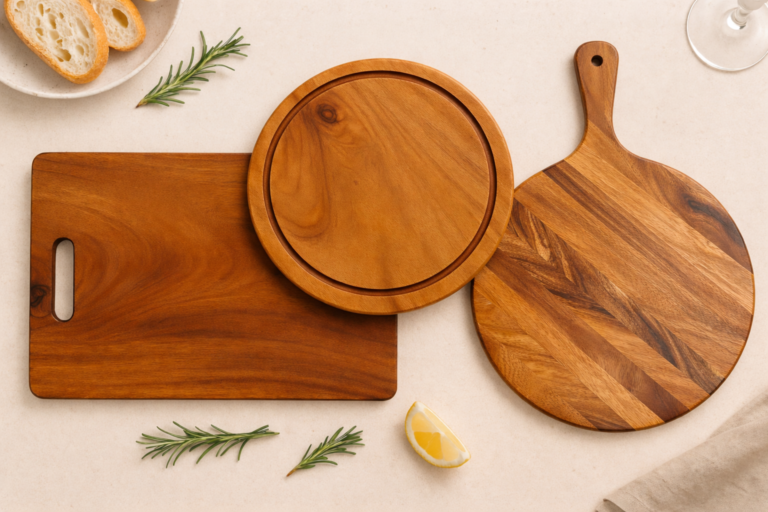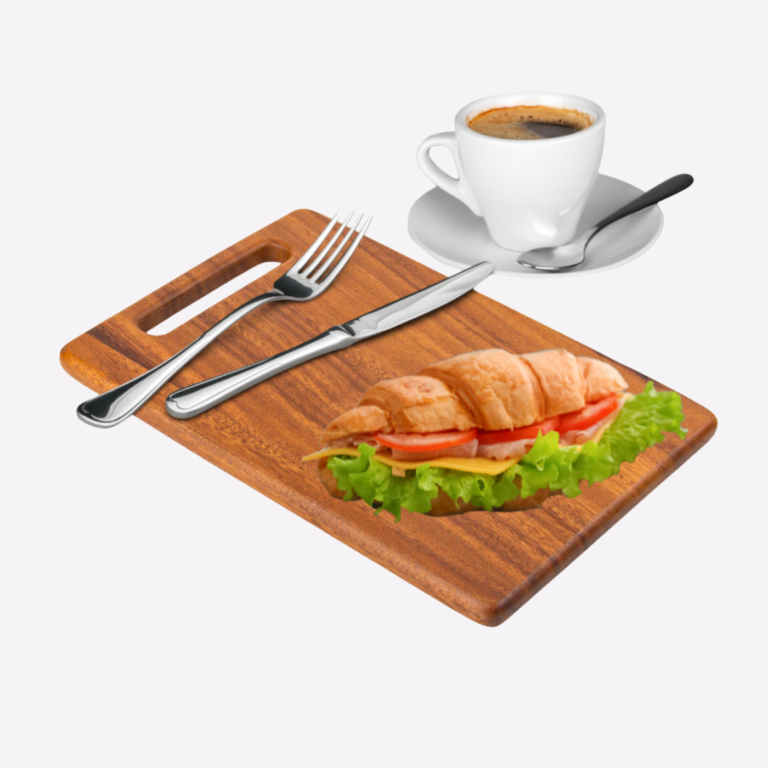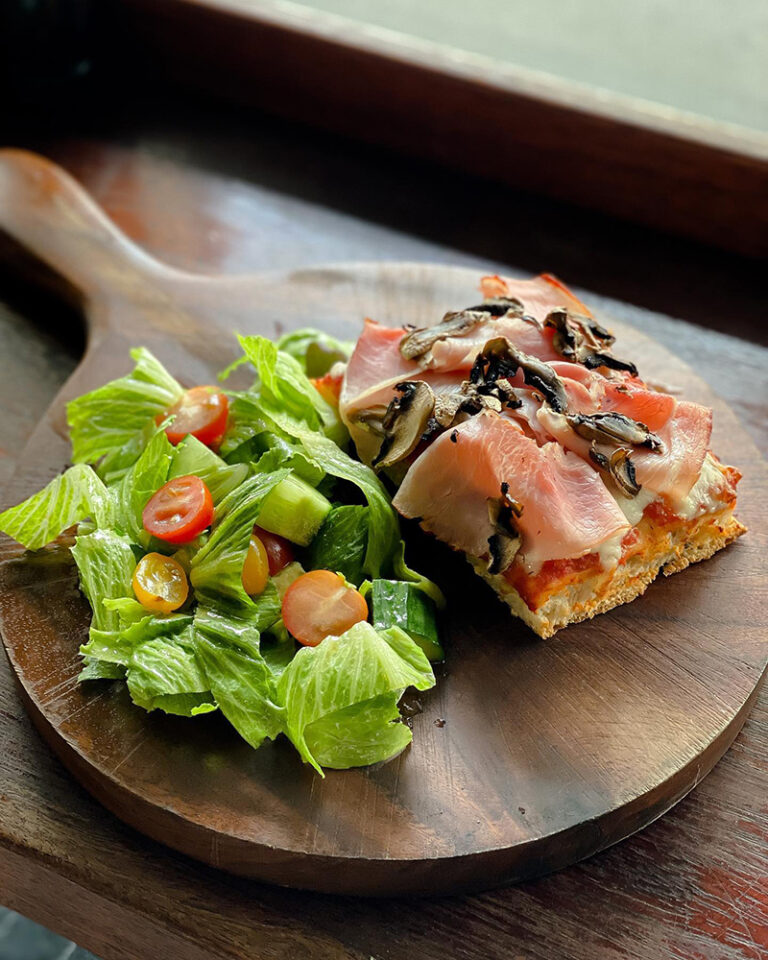
Why Commercial Wooden Serving Boards Require Different Handling
Commercial wooden serving boards are not used like domestic boards.
In restaurants, cafés and catering operations, boards are:
- Handled repeatedly throughout service
- Exposed to fluctuating temperatures
- Cleaned multiple times daily
- Stored in tight back-of-house environments
- Subject to higher hygiene standards
Without proper handling systems, even high-quality boards deteriorate quickly.
This guide outlines practical best practice for maintaining commercial wooden serving boards in professional settings.
1. Assign Boards by Use Category
In commercial kitchens, cross-contamination control is critical.
Even when boards are primarily used for presentation rather than preparation, they should be assigned by food type where possible.
Consider:
- Bread & dry foods
- Cooked meats
- Cheese & grazing
- Desserts
- Raw preparation (if applicable)
Clear rotation reduces hygiene risk and extends surface integrity.
2. Establish a Cleaning Protocol for Commercial Use
Commercial wooden serving boards must be cleaned immediately after each use.
Daily Cleaning Standard
- Remove debris
- Wash with warm water and mild detergent
- Rinse quickly
- Dry immediately
- Stand upright for full airflow drying
Do not:
- Soak in sinks
- Use dishwashers
- Leave stacked wet
- Use chlorine-heavy chemicals
Wood reacts to prolonged moisture exposure. Commercial environments amplify that risk.
3. Drying Is More Important Than Washing
The most common failure point with commercial wooden serving boards is poor drying.
In high-volume kitchens, boards are often:
- Washed quickly
- Stacked flat
- Stored while still damp
This causes:
- Warping
- Surface lifting
- Cracking
- Odour retention
Best practice:
- Always dry with cloth first
- Store vertically
- Allow airflow on both sides
- Avoid enclosed damp storage
Proper drying doubles board lifespan.
4. Oil Commercial Wooden Serving Boards Regularly
In professional environments, oiling is not optional maintenance. It is preventative protection.
Why Oil Matters in Commercial Settings
Commercial boards experience:
- Frequent washing
- Rapid temperature changes
- High humidity or heat exposure
Without conditioning, wood dries out quickly.
Recommended Oiling Frequency
High-traffic restaurant use:
Every 2–3 weeks
Moderate café use:
Every 3–4 weeks
Retail display use:
Every 4–6 weeks
Use food-grade mineral oil only. Apply overnight and wipe excess before returning to service.
5. Proper Storage Systems for Restaurants
Storage determines structural performance.
Commercial kitchens often lack space. That leads to stacking.
Avoid:
- Horizontal stacking of damp boards
- Leaning boards against hot surfaces
- Storing near dishwashers or steam zones
Best storage practices:
- Vertical rack systems
- Wall-mounted slots
- Airflow spacing between boards
- Dry-only storage zones
Even premium commercial wooden serving boards will warp if stored incorrectly.
6. Inspection & Rotation Policy
Boards in professional kitchens should be inspected regularly.
Create a simple system:
Weekly Visual Inspection
Check for:
- Surface cracks
- Deep scoring
- Splintering edges
- Unstable warping
- Persistent staining
Remove boards from service if structural integrity is compromised.
Rotation
Rotate boards evenly to prevent overuse of specific pieces.
This ensures:
- Even wear
- Balanced ageing
- Longer fleet lifespan
7. Presentation Standards in Hospitality
Commercial wooden serving boards are not just functional. They are part of brand presentation.
Poorly maintained boards:
- Look dry or grey
- Appear scratched or neglected
- Affect perceived food quality
- Undermine premium positioning
Well-maintained boards:
- Enhance colour contrast
- Elevate plating
- Support natural aesthetic
- Reinforce brand consistency
In hospitality, visual presentation directly impacts perceived value.
8. Health & Safety Considerations
Many operators assume wood is harder to manage hygienically than plastic. That is not necessarily true.
Research shows properly maintained hardwood boards:
- Have natural antimicrobial properties
- Do not harbour bacteria when cleaned correctly
- Perform comparably to plastic under proper protocols
The issue is not the material. It is process consistency.
9. When to Replace Commercial Wooden Serving Boards
Even the best commercial wooden serving boards have a lifecycle.
Replace boards when:
- Deep cracks develop
- Severe warping affects stability
- Surface becomes excessively rough
- Structural thickness is compromised
A replacement policy prevents hygiene risks and maintains presentation standards.
Final Thoughts: Commercial Boards Are Systems, Not Accessories
Commercial wooden serving boards should be treated as operational assets, not decorative extras.
With:
- Clear cleaning procedures
- Proper drying systems
- Scheduled oiling
- Storage discipline
- Routine inspection
They deliver durability, hygiene and strong visual impact over years of service.
The difference between boards that last six months and those that last five years is rarely material quality alone. It is handling systems.