Why Acacia Wood Works in Hospitality
Acacia wood has become one of the most widely used materials in hospitality-grade serving boards and food presentation products. From cafés and wine bars to catering companies and specialty retail, it consistently performs in commercial environments where durability, hygiene and visual appeal all matter.
If you are selecting serving boards for a hospitality setting, this guide explains why acacia works, how it compares to other materials, and what to consider before buying.
What Makes Acacia Wood Different?
Acacia is a dense hardwood known for strength, natural water resistance and distinctive grain variation. Unlike softer timbers, it holds its shape under pressure and repeated handling.
In commercial use, this translates into:
- Greater resistance to warping
- Reduced surface marking compared to softer woods
- Better structural integrity under weight
- Long service life when properly maintained
Acacia also has natural antibacterial properties found in many hardwoods, making it a suitable choice for food presentation when used and cleaned correctly.
For hospitality businesses, this combination of durability and presentation value is critical.
1. Durability in High-Traffic Environments
Hospitality settings are demanding. Boards are:
- Washed frequently
- Carried between kitchen and floor
- Loaded with hot food
- Stacked and stored
- Used multiple times per service
Acacia performs well because of its density. It is less likely to:
- Split under moderate pressure
- Crack from regular use
- Warp when exposed to ambient humidity changes
Compared to softer woods like pine, acacia withstands repeated commercial use far more effectively.
For cafés and restaurants that rely on consistent presentation, this reliability reduces replacement costs and operational disruption.
2. Natural Stability and Reduced Warping
One of the biggest concerns in hospitality serveware is movement in timber.
Acacia is naturally more stable than many fast-growing softwoods. When properly sealed and maintained, it resists moisture absorption better than porous materials.
This matters in:
- Busy commercial kitchens
- Outdoor dining environments
- Catering events
- Coastal or humid regions
While no wood is completely immune to movement, acacia’s structure makes it less prone to dramatic warping when compared to lower-density alternatives.
3. Visual Impact That Elevates Food Presentation
Hospitality is visual.
Acacia wood offers:
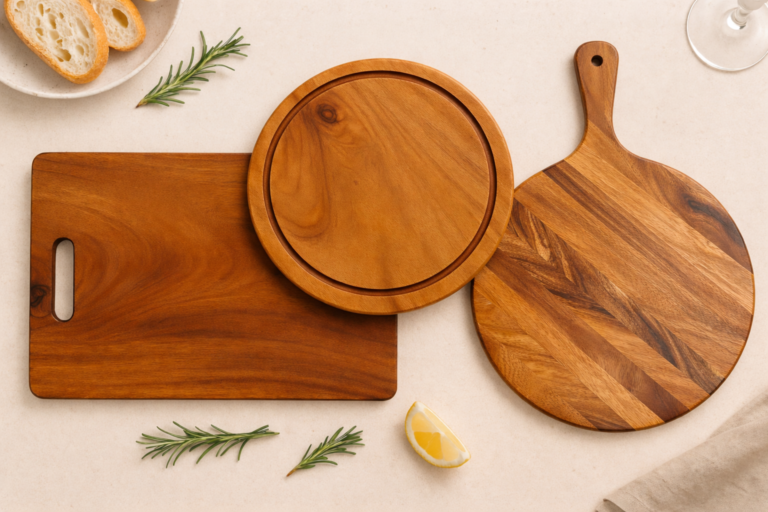
- Rich, warm tones
- Natural grain variation
- A professional finish
- A neutral base for plating
Unlike plastic or composite boards, acacia enhances presentation rather than competing with it.
It works particularly well for:
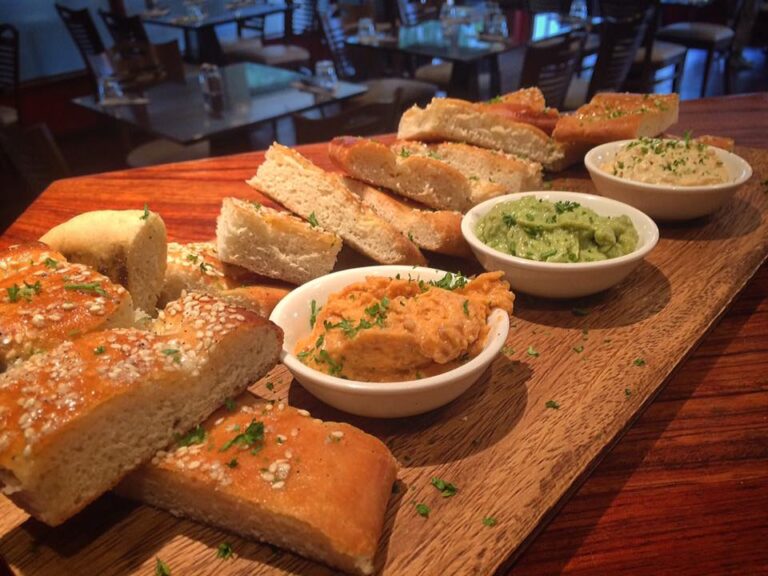
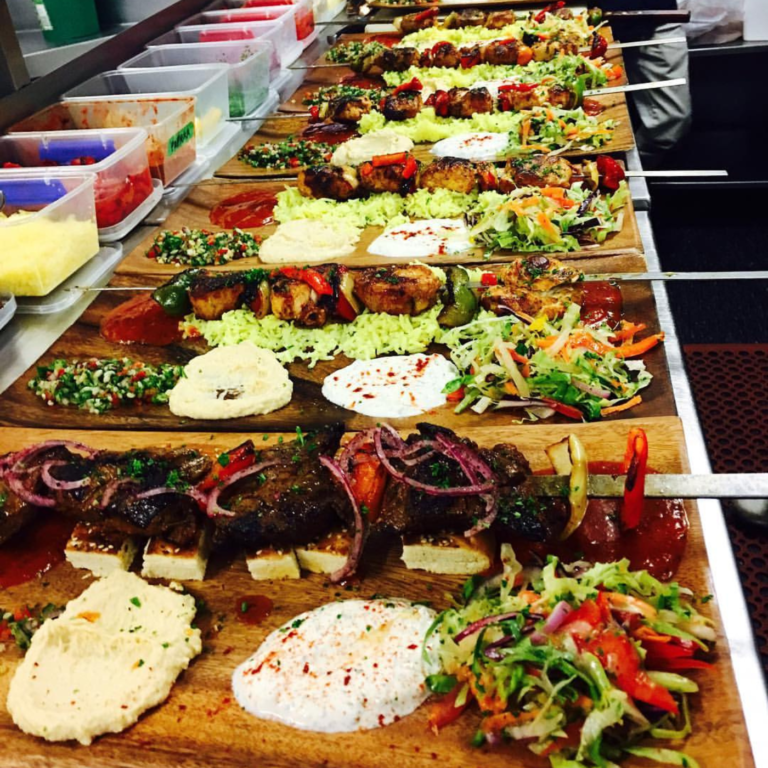
- Grazing platters
- Pizza boards
- Shared plates
- Tasting boards
- Bar service
- Charcuterie displays
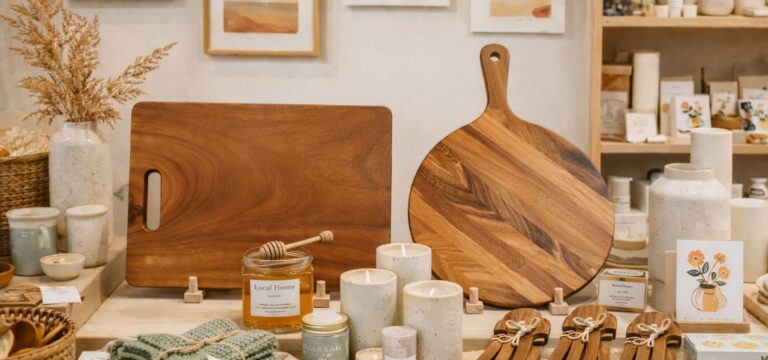
In retail environments, it also photographs well, which supports product marketing and social media use.
For businesses focused on customer experience, the visual appeal of acacia contributes directly to perceived value.
4. Strong Return on Investment for Hospitality
Cost matters.
Acacia boards are typically more affordable than premium hardwoods like oak or walnut, while offering comparable durability for food presentation use.
For commercial buyers, this creates:
- Lower initial outlay
- Strong lifespan value
- Attractive price-to-performance ratio
When purchased from a reliable wholesale supplier, acacia boards provide consistent quality at scale, which is essential for multi-site hospitality businesses or retail chains.
Durability plus price stability equals predictable operating costs.
5. Suitability for Commercial Food Presentation
Acacia is well suited for non-prep food presentation.
Important distinction:
Acacia boards are generally used for serving and display, not heavy chopping in commercial kitchens.
They perform best for:
- Prepared food presentation
- Bread service
- Pizza serving
- Grazing displays
- Bar boards
- Retail display
Using boards correctly extends their lifespan and maintains hygiene standards.
6. Lightweight Strength
Hospitality teams handle serveware constantly.
Acacia offers:
- Solid feel without excessive weight
- Easier carrying for waitstaff
- Practical handling for catering teams
Heavier hardwoods can become cumbersome during service. Acacia strikes a balance between strength and practicality.
This matters during:
- Large functions
- High-turnover service
- Event catering
- Banquet environments
Operational efficiency improves when tools are practical to use.
7. Compared to Other Materials
When selecting hospitality serving boards, businesses often compare acacia to:
Acacia vs Bamboo
Bamboo:
- Technically a grass, not hardwood
- Often laminated in strips
- Can delaminate over time
Acacia:
- Solid hardwood structure
- More natural grain character
- Less prone to visible glue lines
Bamboo can be cost-effective, but acacia generally presents as more premium.
Acacia vs Plastic
Plastic:
- Lightweight
- Dishwasher safe
- Functional for prep
However:
- Lacks visual warmth
- Scratches easily
- Can stain
- Does not elevate presentation
Acacia:
- Adds aesthetic value
- Supports brand positioning
- Improves customer perception
Plastic is practical. Acacia is experiential.
Acacia vs Composite Boards
Composite materials:
- Highly durable
- Uniform in appearance
- Industrial look
Acacia:
- Natural variation
- Warmer aesthetic
- Better suited to hospitality ambience
For customer-facing presentation, natural materials typically perform better in perceived quality.
8. Retail Advantage: Why It Sells Well
For retailers supplying hospitality or gifting markets, acacia boards are strong sellers because they:
- Appeal to home entertainers
- Look premium without premium price tags
- Fit multiple price points
- Suit gift packaging
- Photograph well for online sales
They also align with consumer demand for:
- Natural materials
- Durable serveware
- Long-lasting products
- Versatile kitchen pieces
For retailers, acacia boards offer both practical utility and emotional appeal.
9. Care and Maintenance for Longevity
Acacia requires simple but consistent care.
Best practices include:
- Hand wash only
- Dry immediately after cleaning
- Avoid soaking
- Oil periodically with food-safe oil
- Store in dry, ventilated spaces
In commercial settings, implementing a basic rotation system reduces uneven wear.
When maintained correctly, acacia boards retain appearance and structural integrity for years.
10. When Acacia May Not Be Suitable
Acacia is not ideal for:
- Heavy butchery work
- Continuous chopping
- Dishwasher cleaning
- Extreme heat exposure
Understanding its correct use ensures realistic expectations.
For heavy prep tasks, dedicated chopping boards should be used. Acacia is best positioned as premium presentation serveware.
11. Why It Works for Commercial Buyers
Acacia supports hospitality operations by offering:
- Durability
- Visual appeal
- Manageable cost
- Consistent supply availability
- Versatility across food styles
It works equally well in:
- Cafés
- Restaurants
- Bars
- Wineries
- Catering businesses
- Specialty food retail
For businesses balancing performance and presentation, acacia offers a reliable middle ground between low-cost utility boards and high-end designer timber.
Final Considerations for Hospitality Buyers
Before purchasing, consider:
- Board thickness and weight
- Intended use (presentation vs prep)
- Storage environment
- Volume requirements
- Consistency across locations
- Supplier reliability
Selecting the right acacia range ensures long-term performance and brand alignment.
Summary
Acacia wood works in hospitality because it combines:
- Structural durability
- Visual warmth
- Commercial practicality
- Cost efficiency
- Retail appeal
When used appropriately and maintained properly, it provides long-term value for hospitality businesses and retailers alike.
For operators seeking reliable wooden serving boards that perform in real commercial environments, acacia remains one of the strongest material choices available.