If you’re choosing wooden serving boards for a café, restaurant, catering setup or retail range, the biggest question usually comes down to this:
Is there a real difference between bistro boards and premium boards — or is it just price?
The answer is practical. Not theoretical.
This guide breaks down the structural, functional and commercial differences so you can choose the right board for how it will actually be used.
Why Wooden Serving Boards Are Still the Industry Standard
Wooden serving boards remain popular across hospitality and retail for three core reasons:
- They elevate food presentation
- They feel natural and authentic
- They work across multiple service styles
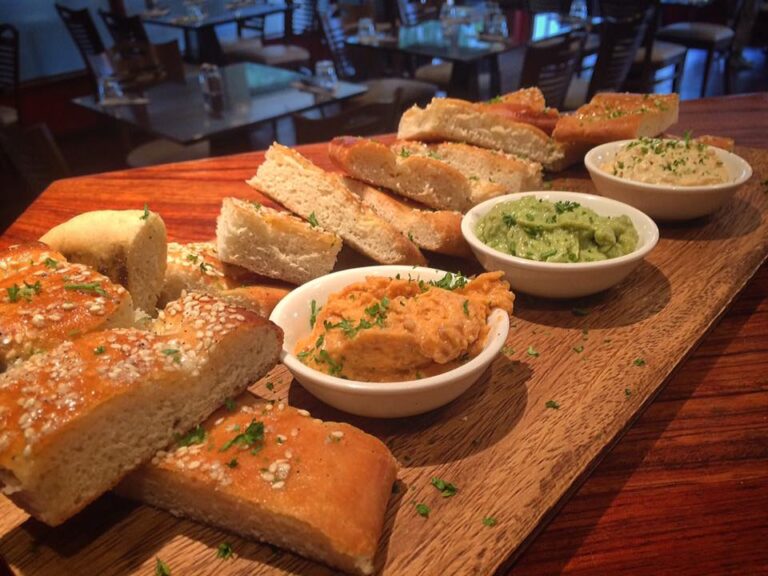
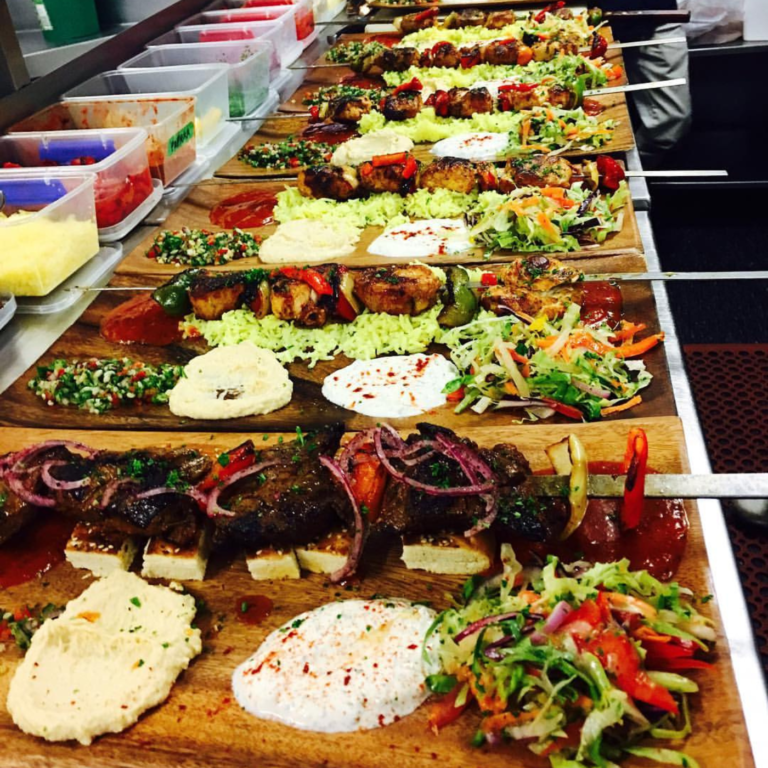
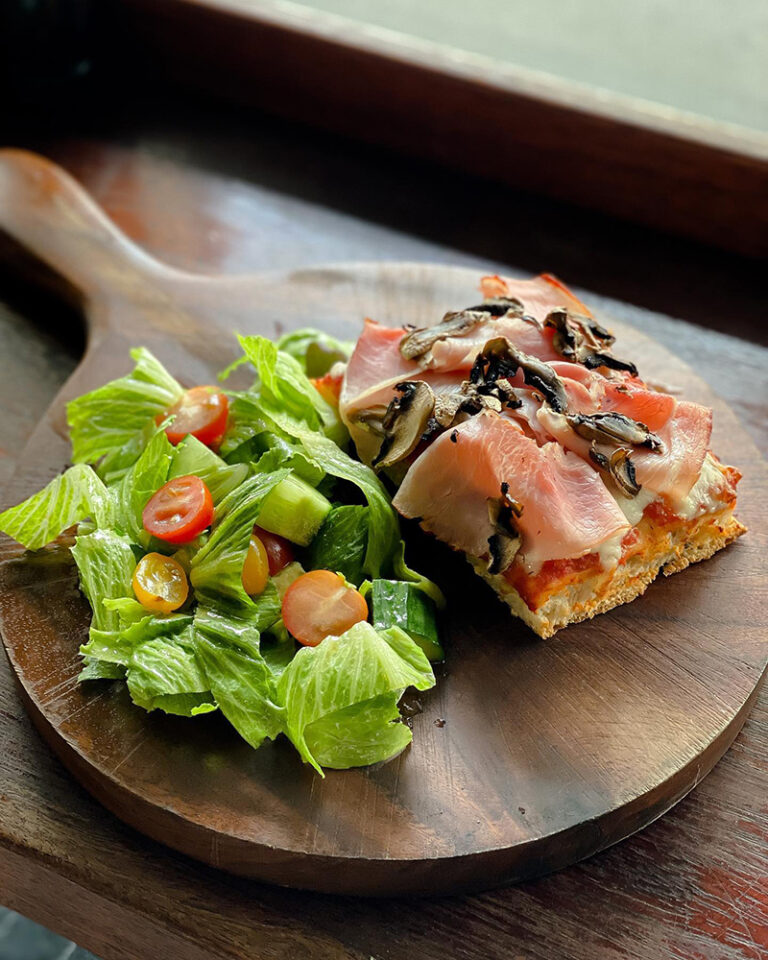
From grazing platters and pizza service to shared entrée boards and retail giftware, wooden serving boards create warmth that ceramic or plastic alternatives simply cannot replicate.
But not all wooden boards are built the same.
What Are Bistro Wooden Serving Boards?
Bistro boards are typically:
- Lighter in weight
- Slimmer in profile
- More cost-effective
- Designed for moderate-use environments
They are ideal for:
- Cafés
- Casual dining
- Bakery displays
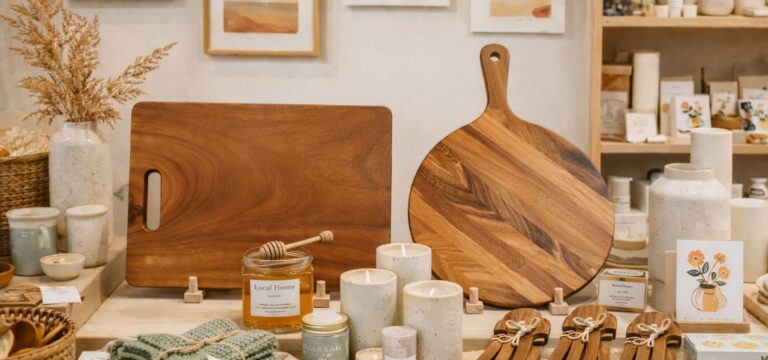
- Retail gift stores
- Seasonal or rotating menus
Because they use slightly thinner cuts of hardwood and simpler finishes, they offer excellent value while still delivering visual appeal.
When Bistro Boards Make Commercial Sense
Bistro boards are a smart choice when:
- You need larger quantities
- You rotate menus frequently
- You’re stocking for retail
- Budget efficiency matters
- The board is part of display rather than heavy prep
They give you flexibility without over-investing in weight and density you may not require.
What Are Premium Wooden Serving Boards?
Premium wooden serving boards are built differently.
They are typically:
- Thicker and heavier
- Made from dense hardwood
- Finished to a higher grade
- Designed for durability under pressure
These boards are suited for:
- High-volume restaurants
- Commercial catering
- Long-term hospitality service
- Corporate event hire
- Permanent menu fixtures
Premium boards are not just about appearance. They are about structure and longevity.
Structural Differences: What Actually Changes?
Here is where the practical difference becomes clear.
1. Thickness
Premium boards are generally thicker.
This provides:
- Greater resistance to warping
- Improved durability
- Longer service life
Bistro boards are thinner, which keeps cost and weight lower but makes them better suited for lighter duty.
2. Weight and Stability
Premium boards feel solid.
That weight:
- Keeps the board stable during service
- Reduces movement when slicing
- Creates a more substantial presentation
Bistro boards are easier to carry and stack but may not offer the same heavy-duty stability.
3. Finish Quality
Premium boards often undergo:
- More refined sanding
- Multiple sealing layers
- Higher-grade finishing oils
This improves:
- Moisture resistance
- Stain protection
- Surface smoothness
Bistro boards are finished well, but the process is usually more streamlined to maintain affordability.
4. Lifespan
In high-volume kitchens, this matters most.
Premium wooden serving boards:
- Withstand repeated washing
- Tolerate frequent handling
- Maintain structural integrity longer
Bistro boards still perform well but may show wear faster in heavy-use commercial environments.
Cost Comparison: Is Premium Worth It?
This is not about “better” versus “worse.” It’s about matching product to usage.
Choose Bistro Boards If:
- You are cost-sensitive
- Boards are replaced seasonally
- They are mainly visual display pieces
- You want higher margin retail stock
Choose Premium Boards If:
- They are part of daily service
- Your venue has high turnover
- You require long-term durability
- The board is part of brand presentation
In busy hospitality settings, replacing lower-cost boards frequently can end up costing more than investing once in higher-density boards.
It’s a total lifecycle decision.
Visual Impact and Brand Perception
Customers notice details.
Heavier, well-finished wooden serving boards:
- Signal quality
- Elevate shared plates
- Enhance perceived value
- Support premium pricing
In contrast, lighter boards:
- Support relaxed environments
- Fit casual dining aesthetics
- Allow menu flexibility
The board becomes part of the dining experience.
Maintenance Considerations
All wooden serving boards require:
- Proper sealing
- Regular oiling
- Controlled washing
- Air drying
However, denser hardwood boards tend to:
- Absorb less moisture
- Resist surface damage
- Maintain finish longer
For businesses managing staff turnover or high dishwashing cycles, that resilience can reduce maintenance pressure.
Which Wooden Serving Boards Are Right for Retail?
For giftware and retail stores:
Bistro boards often perform better commercially because:
- They sit at accessible price points
- They are lighter to package
- They move faster as impulse purchases
Premium boards appeal to:
- High-end home cooks
- Corporate gifting
- Wedding registries
- Luxury retail spaces
The right choice depends on your customer demographic.
Quick Comparison Table
| Feature | Bistro Boards | Premium Boards |
|---|---|---|
| Thickness | Slim | Thick |
| Weight | Light | Heavy |
| Durability | Moderate | High |
| Price Point | Cost-effective | Higher |
| Ideal For | Cafés, retail, display | Restaurants, catering, heavy use |
| Lifespan | Medium | Long-term |
Frequently Asked Questions About Wooden Serving Boards
Are premium wooden serving boards worth the extra cost?
Yes, if they are used daily in commercial environments where durability and presentation directly impact customer experience.
What is the main difference between bistro and premium boards?
Thickness, weight and structural durability are the primary differences.
Do thicker wooden serving boards last longer?
In most commercial settings, thicker boards made from dense hardwood tend to resist warping and wear better.
Can bistro boards be used in restaurants?
Yes, particularly in lower-volume or casual dining environments.
Final Decision: Match the Board to the Environment
The most common mistake businesses make is choosing boards based on price alone.
Instead, consider:
- How often it will be used
- Who will handle it
- Whether it’s for display or prep
- Your brand positioning
- Replacement frequency
When wooden serving boards are matched to the right environment, they become long-term assets rather than short-term purchases.