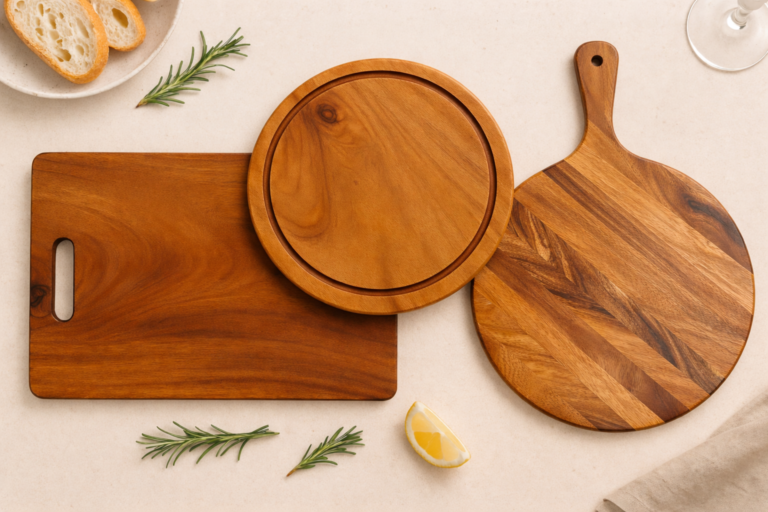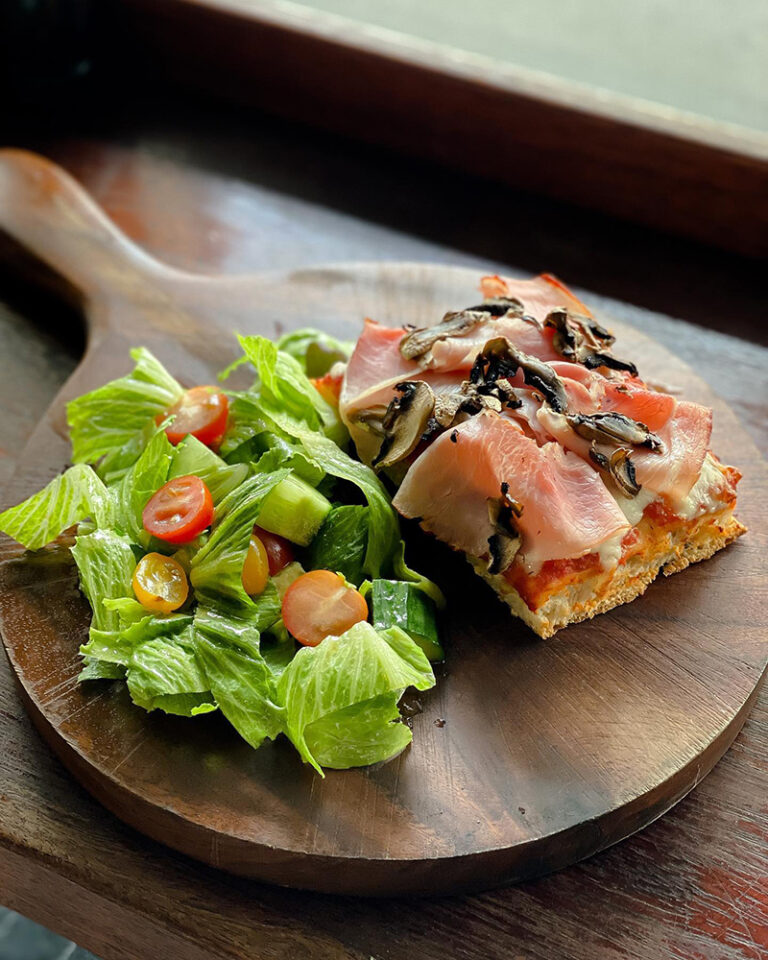
Wooden Serving Boards Compared: Acacia vs Pine, Bamboo, Kauri and Rimu
When selecting wooden serving boards for hospitality use, the type of wood matters more than most buyers realise.
In commercial environments, boards are exposed to:
- Frequent washing
- Temperature changes
- Heavy handling
- Repeated plating
- Ongoing wear
Not all timber performs the same under pressure.
This guide compares the most commonly used woods in New Zealand and commercial settings: acacia, pine, bamboo, kauri and rimu, with a clear focus on durability, stability and suitability for hospitality.
Why Wood Type Matters in Hospitality
In cafés, restaurants and catering environments, wooden serving boards are not decorative items. They are working tools.
The right timber affects:
- Lifespan
- Maintenance requirements
- Structural stability
- Food presentation quality
- Replacement frequency
Choosing the wrong wood can result in warping, cracking or early replacement.
Acacia Wooden Serving Boards
Acacia is a dense hardwood widely used in commercial wooden serving boards.
Key Characteristics
- High density
- Strong resistance to wear
- Good moisture resistance
- Distinct natural grain
- Suitable for commercial presentation use
Hospitality Performance
Acacia performs well in:
- High-volume cafés
- Casual and mid-tier restaurants
- Catering operations
- Retail hospitality supply
Its density makes it less prone to warping compared to softer woods. When properly sealed and maintained, acacia boards hold structure under repeated service cycles.
Commercial Summary
✔ Durable
✔ Cost-effective hardwood
✔ Suitable for regular service
✔ Strong value-to-performance ratio
Pine Wooden Serving Boards
Pine is a softwood and widely available.
Key Characteristics
- Lightweight
- Soft grain
- Lower cost
- Easy to shape
Hospitality Performance
In commercial environments, pine presents challenges:
- Scratches easily
- Dents under pressure
- More prone to absorbing moisture
- Can warp over time
While pine may suit decorative or low-use environments, it is generally not ideal for heavy hospitality service.
Commercial Summary
✔ Affordable
✖ Not ideal for high-volume use
✖ Lower structural durability
Bamboo Serving Boards
Bamboo is technically a grass, not a hardwood. Most bamboo boards are laminated strips pressed together.
Key Characteristics
- Lightweight
- Uniform appearance
- Cost-efficient
- Hard surface
Hospitality Performance
Bamboo boards can perform adequately, but commercial concerns include:
- Visible glue lines
- Risk of delamination over time
- Surface splitting under repeated washing
While bamboo may work in retail or low-use scenarios, long-term durability varies depending on manufacturing quality.
Commercial Summary
✔ Budget-friendly
✔ Clean aesthetic
✖ Laminated construction
✖ Variable lifespan
Kauri Wooden Serving Boards
Kauri is a native New Zealand timber.
Key Characteristics
- Soft to medium density
- Attractive grain
- Lighter in weight
Hospitality Performance
Kauri is generally softer than acacia and may:
- Dent more easily
- Show wear faster
- Require more careful handling
Because of sustainability restrictions, kauri is less common in commercial supply chains.
Commercial Summary
✔ Attractive timber
✖ Softer performance
✖ Limited commercial practicality
Rimu Wooden Serving Boards
Rimu is another native timber valued for appearance.
Key Characteristics
- Distinctive reddish tone
- Moderate density
- Visually appealing
Hospitality Performance
Rimu performs better than pine but still sits below dense hardwoods like acacia in durability.
It is often used in custom or specialty pieces rather than large-scale commercial board production.
Commercial Summary
✔ Strong visual appeal
✖ Less suited to heavy turnover hospitality
Side-by-Side Comparison for Hospitality Use
| Wood Type | Density | Commercial Durability | Moisture Resistance | Cost Level | Best Use Case |
|---|---|---|---|---|---|
| Acacia | High | High | Good | Moderate | Restaurants, cafés, catering |
| Pine | Low | Low | Low | Low | Decorative, light use |
| Bamboo | Medium | Moderate | Moderate | Low | Retail, casual settings |
| Kauri | Low-Medium | Moderate | Moderate | Variable | Specialty use |
| Rimu | Medium | Moderate | Moderate | Higher | Boutique, custom pieces |
What Hospitality Buyers Should Prioritise
When selecting wooden serving boards for commercial use, focus on:
- Density of timber
- Resistance to warping
- Moisture tolerance
- Long-term replacement cost
- Consistency of supply
For daily service environments, dense hardwoods typically outperform softer timbers.
Cost vs Lifecycle Value
Lower-cost woods may appear attractive initially. However:
- More frequent replacement
- Surface damage
- Structural movement
- Appearance degradation
can increase long-term costs.
Dense hardwood boards often deliver stronger lifecycle value in hospitality operations.
When Softer Woods May Be Acceptable
Pine, kauri or bamboo may suit:
- Retail display only
- Decorative presentation
- Low-volume service
- Seasonal menus
- Gift-focused retail
But for daily restaurant service, structural strength becomes more important than initial price.
Final Recommendation for Commercial Buyers
If you are choosing wooden serving boards for hospitality environments:
- Use dense hardwood for regular service
- Avoid softwoods for high-turnover kitchens
- Consider long-term durability over upfront savings
Among the woods compared, acacia offers one of the strongest balances between durability, cost and availability for commercial wooden serving boards.
Matching timber type to service intensity ensures better performance and reduced replacement pressure.